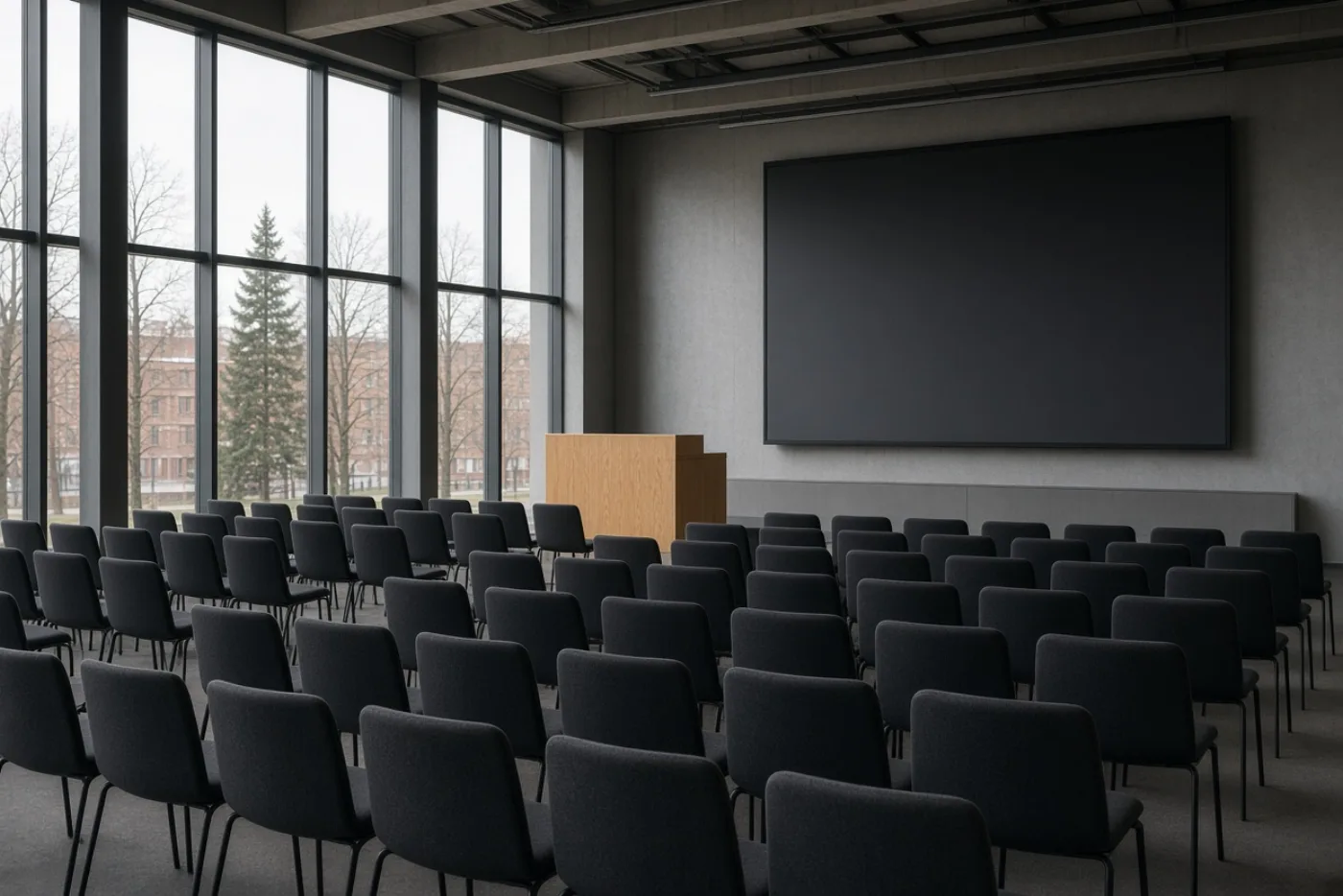
On Friday 20 November 2026 I am at Microsoft in Oslo for a full day with Norwegian nonprofits. InfoDesk and Skjld Labs organise it. Microsoft hosts and funds it. ALSO is a partner. Mats Evensen and I are on stage with Spartaco Lyche Falchi, who works with education and nonprofits at Microsoft. The address is Dronning Eufemias gate 71. Doors at 09.45, programme from 10.00 to 15.30. It is free, lunch is included, there are 130 seats, there is no waitlist, and it is not streamed.
I am writing this thirteen days out, because the useful question is not “will you be there.” It is what the day is for, and what it refuses to be.
A nonprofit does not have an AI strategy problem
The organisations this day is built for spend their scarce hours on applications, reporting, finding the right document, and answering the same question from a volunteer for the fourth time. The mission is whatever is left after that. A language model does not fix a funding model. It can take a first pass at a grant draft, if the source documents are the organisation’s own, and if a person who knows the project reads the draft before it is sent.
That is a smaller claim than the keynote version of AI, and it is the one I am willing to demonstrate live. In the late morning I show Grant Finder and Grant Writer in Copilot: find a relevant scheme, check the requirements, draft from the organisation’s sources, and keep the line from application to report so the two documents do not contradict each other. The point of doing it on stage is that the audience can see the source, not a polished result with the messy middle cut out.
The order of the day is the order of the work
We do not start with the agent. Spartaco opens with Microsoft Elevate and what it actually offers a nonprofit. Mats then takes EU AI Act, privacy and security, including what Entra ID and Intune change about who can reach the data an agent will later see. A volunteer organisation is not exempt from those questions because the budget is small. Member lists and case notes are still personal data. An agent that can read them is a new disclosure, not a feature toggle.
After lunch I show one Copilot agent grounded in SharePoint and available in Teams for the people who have the licence and the permission. Then AI Compass, which is a structured interview: where does the time go, what data exists, what is the risk, where is the smallest place to start. The last working session is the first 90 days. Pick one pilot. Make the library fit to be read. Decide who trains the colleagues. Decide what “this helped” means, in hours or in errors, before anyone argues about a second use case.
If you were in the room in April, this is the next layer, not the same introduction. The April day established that the tools exist. This one is about the controls and the first 90 days.
What is not included
The seat, the demonstrations, the lunch and the coffee are free. Licences are not. An agent in the tenant, and AI Compass as a follow-up engagement, are not bundled into the registration. I would rather say that on the page and on the stage than have someone leave thinking they bought a rollout by showing up.
You also do not need to be a Microsoft customer to attend, and you do not need to bring a laptop. The exercises work on paper. The people the day is for are managers, administrators, grant officers, the person who looks after IT on Thursdays, and the volunteer coordinator. If your title is none of those and you still do the reporting, you are the right person.
Why I keep doing these in a Microsoft building
Skjld Labs builds agents that run on our own servers in Sandefjord, and we also set up Copilot inside the tenant a customer already has. Both are real. A nonprofit that has spent ten years in Microsoft 365 does not need a lecture about leaving it. They need someone who will open their SharePoint with them and say which library is safe for an agent to read.
InfoDesk has been that Microsoft practice since long before Skjld Labs existed. The seminar sits on both: the identity and device work from InfoDesk, and the agent and course work from Skjld Labs. Microsoft puts the room and the nonprofit programme behind it. ALSO is in the partner chain that actually delivers the licences. Naming all four is not a logo slide. It is the list of people who have to tell the same story or the customer gets four stories.
Registration and the full timetable are at kurs.skjldlabs.com/fagdag. If the form says the day is full, it is full. There is no waitlist, on purpose.